Stories open the conversation.
Our documentaries examine gender, power, care, and inequality through the experiences of real people.

Feminist films. Youth voices. Culture change.
The Representation Project is a feminist media nonprofit. We make films and tell stories that name sexism where it lives, hand the mic to young leaders, and move communities from awareness to action on gender justice.
Discover our story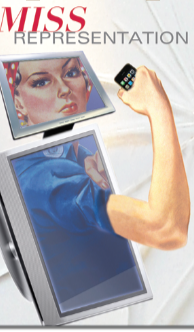 2011 / THE FIRST CHAPTER
In 2011, Jennifer Siebel Newsom’s Miss Representation brought media’s portrayal of women and girls into focus. Audiences wanted to keep the conversation going—and turn it into action.
She founded The Representation Project in response. Today, our work connects storytelling, education, and advocacy to challenge the expectations that hold people back.
From classrooms to community screenings, we invite people to question the messages they see and help change the stories we tell.
Explore our workOur documentaries examine gender, power, care, and inequality through the experiences of real people.
Film curricula and media literacy resources help students and communities examine the messages around them.
Campaigns including #NotBuyingIt and #AskHerMore invite people to challenge sexism in media and culture.
2007 2026
Jennifer Siebel Newsom begins work on Miss Representation.
Premieres at the Sundance Film Festival.
Premieres at the Sundance Film Festival.
The Representation Project launches its youth programs.
The Representation Project launches its media research initiative.
Premieres at the San Francisco International Film Festival.
The #RespectHerGame campaign, The Power Hour, and Miss Rep’s Book Club debut.
Premieres at the Sonoma International Film Festival (SIFF).
The Representation Project launches the #EndRape campaign.
The Representation Project launches GET: the program curriculum, online hub, and youth clubs.
Premieres at the Tribeca Festival.
We say the thing directly. If we can’t name a problem, we can’t fix it.
Progress is collective. We measure success by what communities do together after the credits roll.
Young people are the storytellers and strategists of this movement right now, not someday.
Gender justice is for everybody, across gender, race, class, ability, and orientation.
We defend informed perspectives and teach media literacy. Every fact we share comes with something to do about it.
We point the camera at leaders worth admiring and futures worth building.
Culture moves fast and so do we. We try new things, learn from mistakes, and keep moving.